
Plate 01
Read Section
B-Complex
The engine room of cellular energy.

Understanding the specific roles of vitamins and minerals is the first step toward a more informed wellness routine. This guide focuses on the core nutrients that support the male body, emphasizing those that contribute to energy production, bone density, and immune strength. We provide detailed insights into why these specific elements are considered essential for maintaining a high standard of daily health.
The engine room of cellular energy.

Sunlight, calcium, and immune balance.
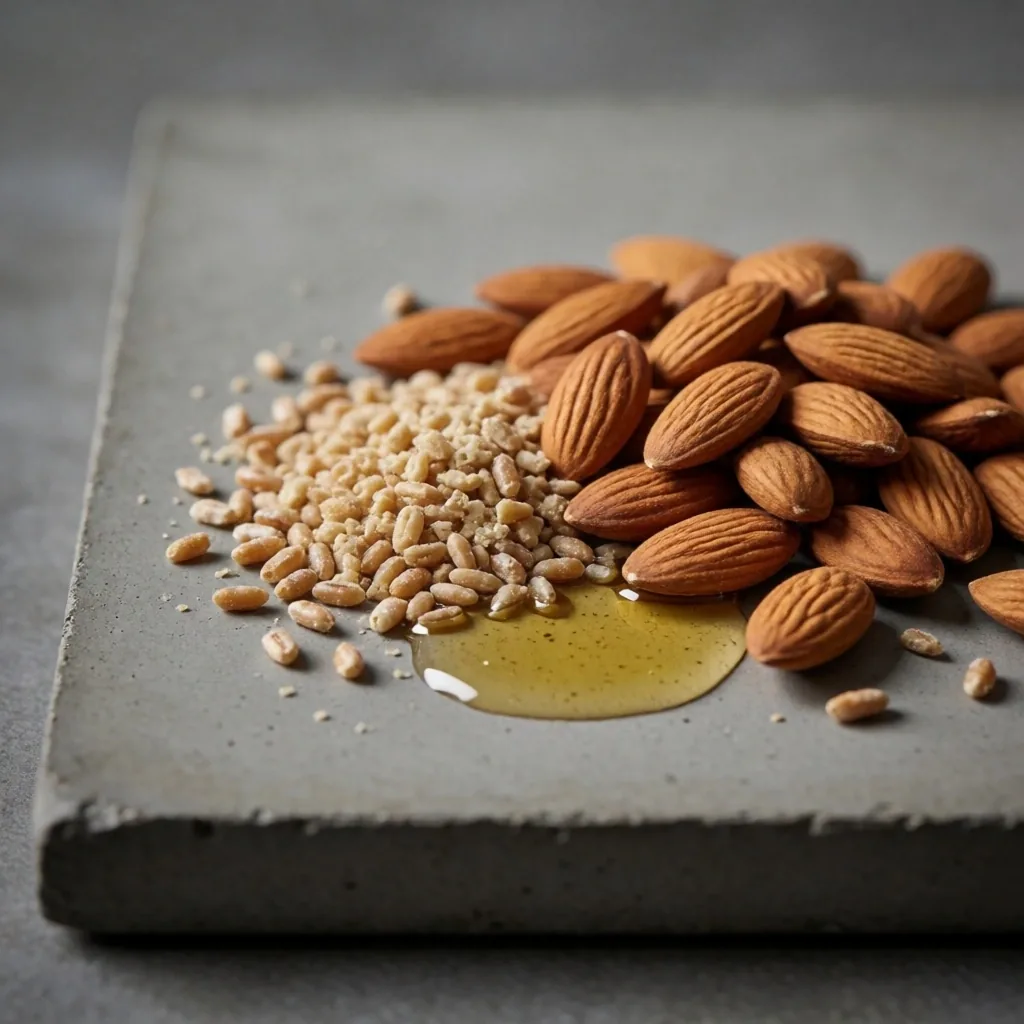
Muscle relaxation and steady rhythm.

Frontline defense for immune integrity.

Collagen synthesis and tissue repair.

Cellular protection from oxidative wear.
B6 / B12 / Folic Acid
The B-vitamin group, including B6, B12, and Folic Acid, is the engine room of cellular energy. These water-soluble vitamins are essential for the metabolism of carbohydrates and proteins, ensuring that the body has a steady supply of fuel. For men with active careers or fitness regimes, a consistent intake of B-complex is vital for preventing the afternoon slump common in high-stress environments.
Because B-vitamins are water-soluble, the body does not store them in significant quantities. Daily intake through food or supplementation is the only way to maintain steady levels. B12, in particular, becomes harder for the body to absorb from food as digestive efficiency shifts with age, making it a common focus for men monitoring their nutrient baseline.
Natural sources include eggs, poultry, leafy greens, and whole grains. For men following plant-forward diets, B12 deserves particular attention since it is found primarily in animal products.
What to check
Look for B-complex formulas that list each B-vitamin separately rather than as a generic blend. This transparency lets you verify the actual amount of B12 and B6 per serving.
When it varies
Men who train intensely, work long outdoor shifts, or follow plant-based eating patterns may need more consistent intake than someone with a mostly sedentary routine.

Despite the abundance of sunlight in Indonesia, vitamin D deficiency remains a common issue due to indoor lifestyles and sun protection. Vitamin D acts more like a hormone than a vitamin, playing a critical role in calcium absorption and immune regulation. We discuss how to balance natural sun exposure with supplementation to ensure optimal levels year-round.
Working indoors, driving in enclosed vehicles, and wearing long sleeves for sun protection all reduce how much UVB reaches the skin. For men in Jakarta office towers or Bali co-working spaces, direct midday exposure of fifteen to twenty minutes on bare arms and legs, three to four times a week, is a practical baseline. Beyond that window, supplementation fills the gap without relying on prolonged exposure.
Vitamin D is fat-soluble, so it stores in body tissue. This means you do not need daily intake in the strict sense, but consistency over weeks and months matters more than hitting a single day's target.

Magnesium is involved in over 300 biochemical reactions in the human body, including muscle and nerve function. It is particularly important for men as it helps regulate heart rhythm and supports the relaxation of muscle tissues after physical work. Many men find that increasing their magnesium intake helps with sleep quality and overall physical comfort.
After exertion, muscles need to release contraction to recover. Magnesium facilitates that release. It also contributes to the structural integrity of bones, where roughly half of the body's magnesium stores reside. Cacao, pumpkin seeds, almonds, and leafy greens are among the most concentrated natural sources.
Primary role
Muscle relaxation and nerve signal regulation
Natural sources
Cacao, pumpkin seeds, almonds, spinach, black beans
Zinc is a trace mineral that has a significant impact on immune function and cellular growth. It is an essential component for the body's natural repair processes and plays a role in maintaining healthy skin and hair. We explore the best natural sources of zinc and how it serves as a frontline defense for the body's integrity.
Because the body has no dedicated zinc storage system, regular intake is necessary. Oysters, beef, pumpkin seeds, lentils, and chickpeas are reliable natural sources. For men who train hard or sweat heavily in tropical heat, zinc loss through perspiration is a factor worth monitoring.
Supports immune cell production and the body's natural repair cycle
Contributes to skin resilience and hair follicle maintenance
No dedicated storage — daily intake from food or supplements
While often associated with immune health, Vitamin C is also necessary for the synthesis of collagen, which supports joints, skin, and blood vessels. As an antioxidant, it protects the body from the effects of pollution and physical strain. We detail how regular intake of Vitamin C helps maintain the structural health of the male body.
Collagen is the primary structural protein in connective tissue, and vitamin C is the cofactor that allows the body to assemble it. Without adequate intake, collagen formation slows, which can affect joint comfort and skin firmness over time. Citrus, guava, bell peppers, and dark leafy greens are practical food sources abundant in Indonesia.
Required cofactor for collagen synthesis in joints and skin
Antioxidant action buffers oxidative stress from pollution and exertion
Water-soluble — needs consistent daily replenishment

Vitamin E is a powerful fat-soluble antioxidant that helps protect cell membranes from oxidative damage. It is particularly beneficial for maintaining the health of the circulatory system and supporting skin vitality. We examine how this vitamin works in tandem with other antioxidants to provide a comprehensive shield for the body.
Cell membranes are made largely of fats, and vitamin E sits inside those membranes to neutralize oxidative compounds before they cause structural wear. It works alongside vitamin C and selenium, each handling different stages of the antioxidant cycle. Almonds, sunflower seeds, and cold-pressed plant oils are among the most concentrated food sources.
Because vitamin E is fat-soluble, it accumulates in body tissue. This means intake does not need to be daily in a strict sense, but consistency over weeks maintains steady reserves. For men with active routines that place higher oxidative demand on the body, maintaining adequate intake supports long-term structural resilience.
Potassium is an electrolyte that works alongside sodium to manage fluid balance and electrical signals in the nervous system. In the heat of Bali or the humidity of Jakarta, maintaining potassium levels is essential to prevent cramping and dehydration. This section explains how to integrate potassium-rich natural sources into your daily routine.
Everyday sources
Bananas, sweet potatoes, coconut water, spinach, avocados, and papaya are widely available across Indonesia and cover most dietary potassium needs when eaten regularly.
Vitamin A is fundamental for maintaining clear vision and a healthy immune system. It also contributes to the maintenance of the body's largest organ: the skin. We discuss the importance of beta-carotene and other precursors found in natural supplements that the body converts into active Vitamin A.
Everyday sources
Sweet potatoes, carrots, pumpkin, mango, liver, and dark leafy greens provide either preformed vitamin A or beta-carotene precursors that the body converts as needed.
B-complex for energy metabolism, vitamin D for bone and immune support, magnesium for muscle relaxation, and zinc for immune defense form the core four. These cover the main gaps that active men in Indonesia are most likely to encounter, particularly given indoor work patterns and tropical heat.
A varied diet with leafy greens, eggs, fish, nuts, seeds, and citrus covers most bases. The exceptions are vitamin D during indoor-heavy periods and B12 for men eating mostly plant-based meals. In those cases, targeted supplementation fills the gap rather than replacing food.
No. The body excretes excess B and C vitamins through urine, so very high doses offer diminishing returns. Consistent daily intake at appropriate levels serves you better than occasional megadoses. Fat-soluble vitamins — A, D, E, and K — accumulate in tissue, so excessive intake is worth avoiding.
Heat and humidity increase perspiration, which means higher loss of electrolytes like potassium and magnesium. Men working or training outdoors in Bali and Jakarta should pay particular attention to fluid and electrolyte replenishment, especially potassium, to prevent cramping and maintain steady nerve function.
These eight nutrients form the baseline for energy, resilience, and long-term structural health. Explore where they come from in nature, or reach out with specific questions about building a routine that fits your daily life in Indonesia.
Vitamin Pria — Bali, Indonesia
This guide is educational. Dietary supplements are intended to supplement the diet and are not a substitute for a varied, balanced diet. Consult a qualified professional before making changes to your nutritional routine.