
Vitamin Pria — Standards
Our Standards for Purity and Ingredient Integrity
The integrity of a supplement depends entirely on the quality of its ingredients and the rigor of its manufacturing process. Transparency is the most important factor in wellness — this page outlines the benchmarks we use to evaluate every natural product featured on our platform.

Sourcing
Origin verification from highland Java farms and specialized facilities abroad
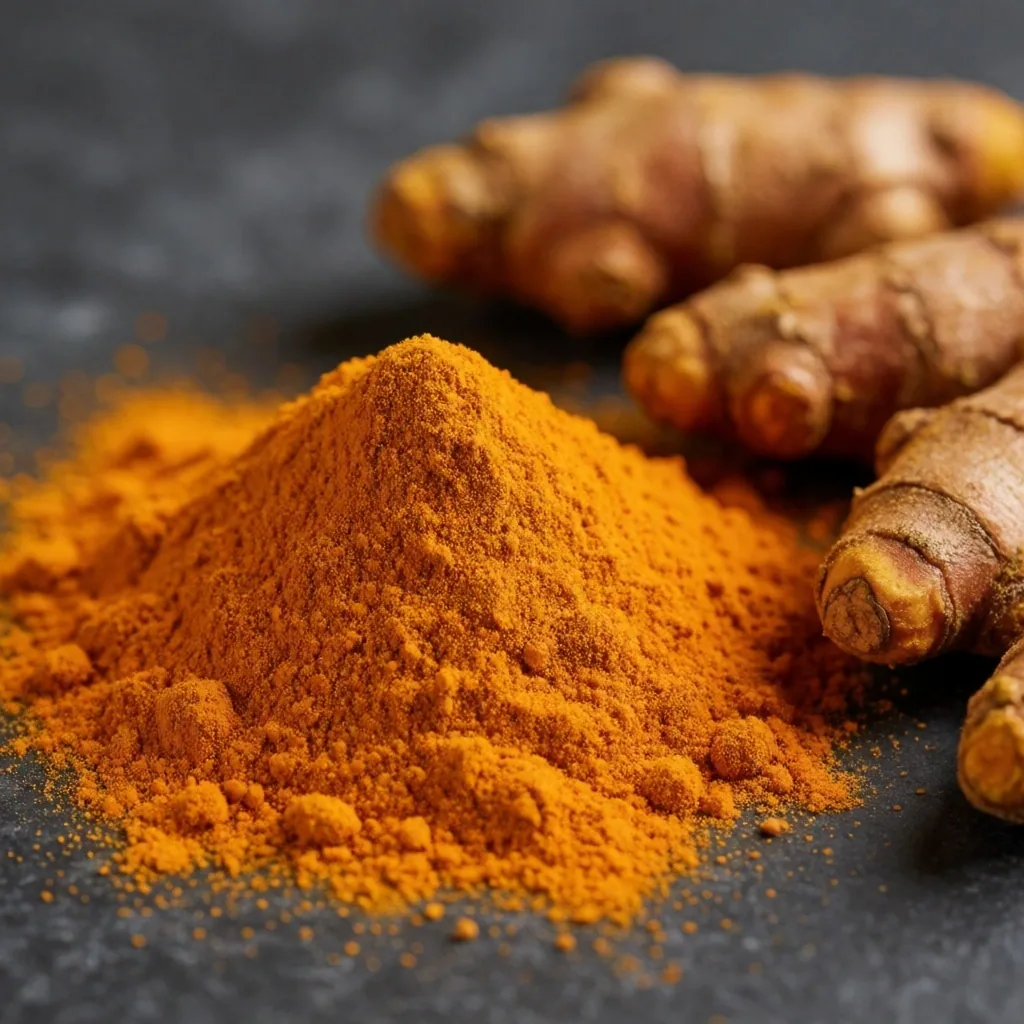
Standardization
Consistent active compound levels verified across every batch
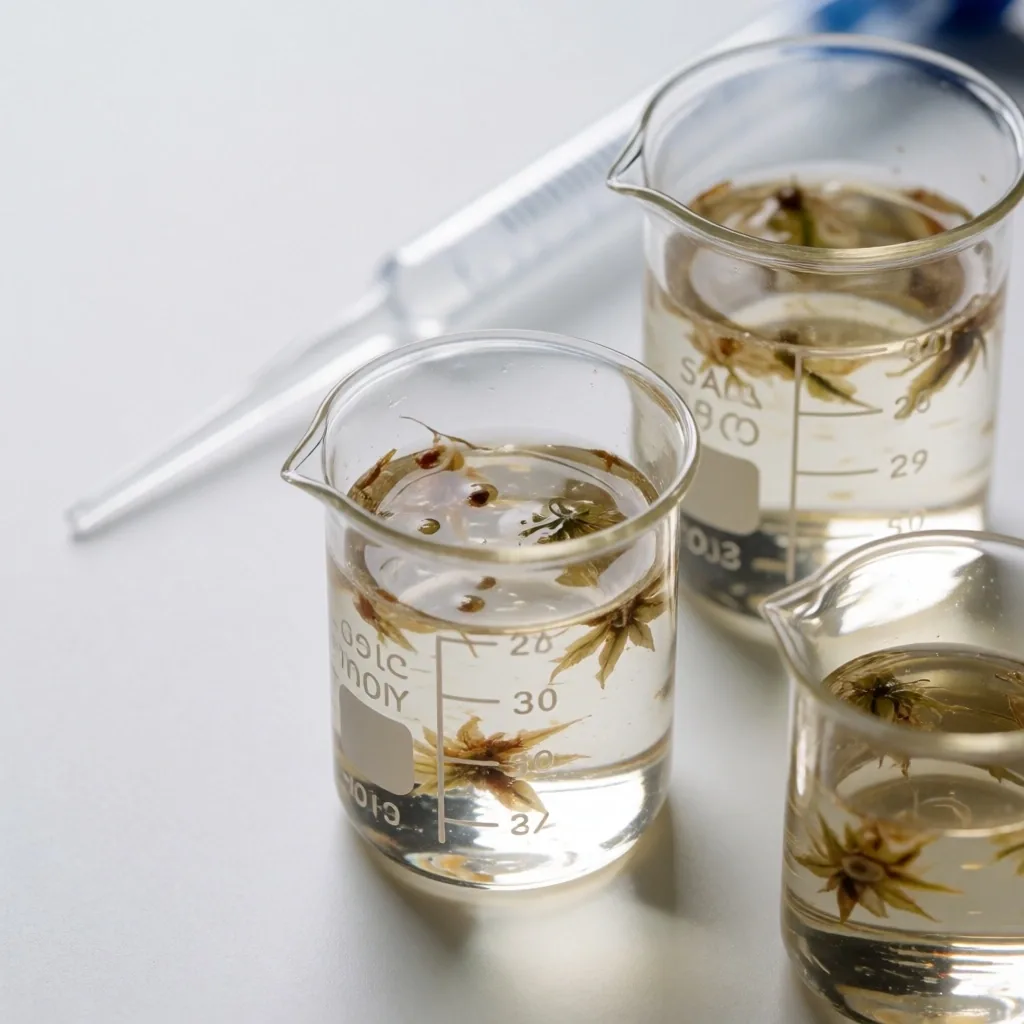
Testing
Third-party screening for heavy metals, pesticides, and microbial contaminants
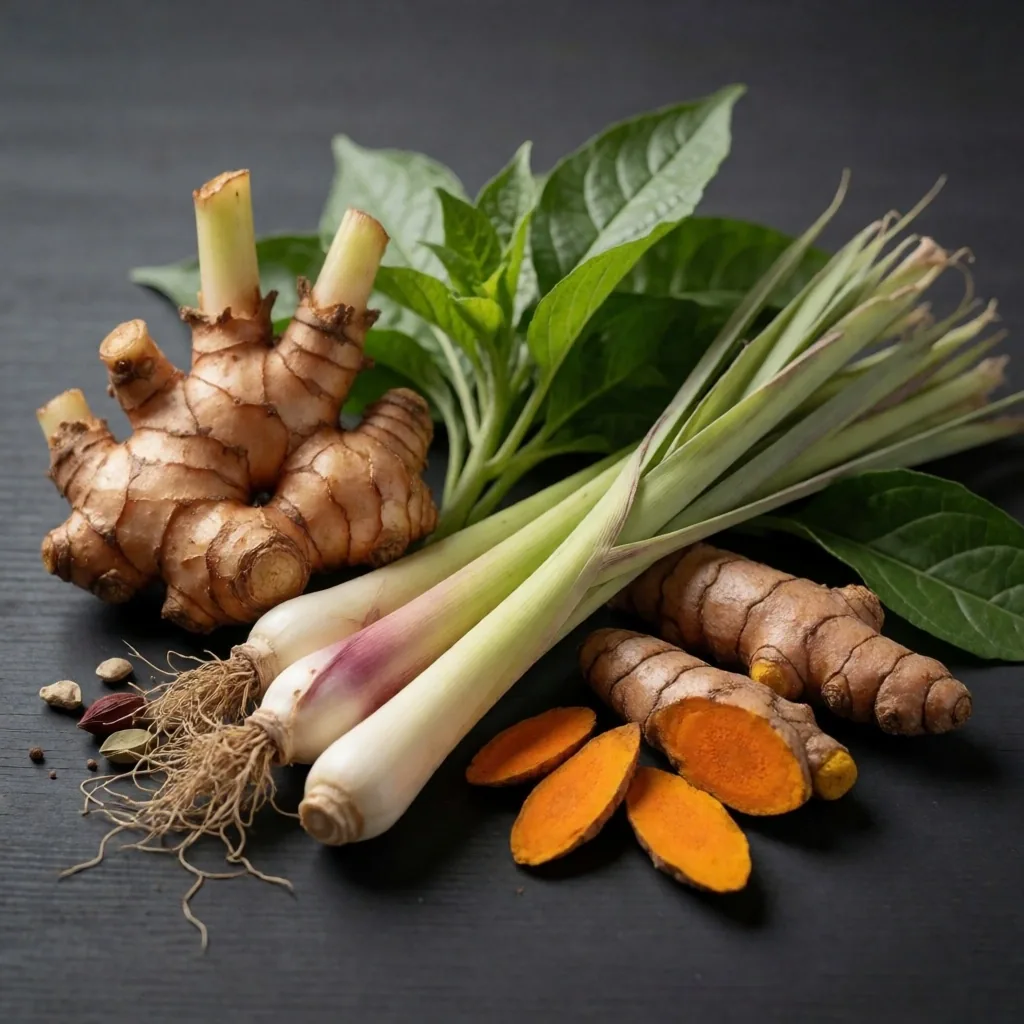
Clean Label
No artificial fillers, synthetic binders, or unnecessary additives
A note on why this matters
At Vitamin Pria, we believe transparency is the most important factor in the wellness industry. A supplement is only as reliable as the ingredients inside it and the process that brought those ingredients to the shelf. The benchmarks on this page are not marketing language — they are the specific criteria we apply before any product earns a place in our educational guides.
We evaluate supplements across eight dimensions: where the raw materials come from, how the active compounds are standardized, what testing verifies purity, how clean the formulation stays, how the product is manufactured, how well the body absorbs it, how transparently the label is written, and how the brand handles its packaging and ethical responsibilities.
Standard 01 — Sourcing
Sourcing and Origin Verification
The journey of a supplement begins at the source, whether it is a farm in the highlands of Java or a specialized facility abroad. We prioritize products that provide clear information about where their raw materials are grown.
Knowing the origin helps ensure that the ingredients are free from environmental contaminants and are grown in nutrient-rich soil. A ginger root from volcanic soil in central Java carries a different mineral profile than one grown in depleted ground. The same logic applies to minerals, botanicals, and extracts sourced from overseas facilities — the region, the soil, and the climate all shape the final ingredient.
We ask: where was this grown? Who cultivated it? Was the soil tested? A product that answers these questions openly has already passed the first gate.

Ingredients grown in mineral-dense volcanic soil tend to retain higher nutrient profiles than those cultivated in over-farmed, chemically fertilized plots.
Standard 02 — Standardization
The Importance of Standardization
Standardization ensures that every dose of a herbal extract contains a consistent amount of the active compound. Without this, the effectiveness of a natural supplement can vary wildly from one bottle to the next.
We look for products that use standardized extracts to guarantee that the information on the label matches what is in the capsule. A standardized botanical extract will state the percentage of its marker compound — for example, a specific ginsenoside or curcuminoid level — and the manufacturer verifies each batch against that claim.
Non-standardized extracts, by contrast, may contain widely varying levels of active compounds depending on harvest season, soil quality, and drying method. We treat standardization as a non-negotiable baseline, not a premium feature.
What a standardized label should tell you
-
Marker
The named active compound, not just the plant species — for example, curcuminoids rather than simply turmeric root powder.
-
Percentage
The exact concentration of that compound, expressed as a percentage of total extract weight, verified per batch.
-
Ratio
The concentration ratio, such as 10:1, indicating how many parts of raw material were condensed into one part of the final extract.
-
Weight
The actual milligram weight of the standardized extract per serving, so you can compare dosage across brands.
Standard 03 — Purity Testing
Purity Testing and Contaminant Screening
Natural ingredients can sometimes harbor heavy metals, pesticides, or microbial contaminants if not handled correctly. We advocate for rigorous third-party testing to ensure that every batch of supplements meets strict safety standards.
This level of scrutiny is essential for protecting the health of our community. Testing should be performed by independent laboratories — not in-house by the manufacturer — to remove any incentive to report favorable results. We look for brands that make their lab results accessible, either on the label, on their website, or upon request.
Lead, arsenic, mercury, and cadmium screening
Soil and water can carry trace metals that concentrate in plant roots. Independent assays measure levels against established safety thresholds and flag any batch that exceeds them.
Agricultural chemical detection panels
Even organically grown botanicals can be exposed to drift from neighboring farms. Multi-residue panels test for hundreds of common agricultural compounds and report detections down to parts per billion.
Yeast, mold, and harmful bacteria counts
Herbal powders are particularly vulnerable to microbial growth during drying and storage. Testing confirms that total plate counts remain within acceptable limits and that no pathogenic organisms are present.
Standard 04 — Clean Label
Clean Label Philosophy
A clean label means the product is free from unnecessary fillers, artificial colors, and synthetic binders. We prefer supplements that use natural alternatives for encapsulation and stabilization, keeping the formula as close to nature as possible.
Many mass-market supplements use titanium dioxide as a whitening agent, magnesium stearate as a flow agent, or artificial dyes to make the capsule visually appealing. None of these serve your wellness. They exist to speed up manufacturing or improve shelf appearance.
This approach minimizes the risk of sensitivities and ensures you are only consuming what you need. A short, recognizable ingredient list is the first visible signal that a brand respects the clean label principle.
Standard 05 — Manufacturing
Manufacturing Excellence
The environment in which a supplement is produced is just as important as the ingredients themselves. We focus on facilities that adhere to internationally recognized Good Manufacturing Practices (GMP).
GMP standards ensure that the production process is controlled, documented, and consistently high-quality. They cover everything from air filtration and equipment cleaning schedules to staff training and batch record-keeping. A GMP-certified facility can trace any capsule back to the exact raw material lot that entered the production line.
We do not consider a brand compliant simply because it mentions GMP in its marketing. We look for verifiable certification from a recognized body — not a self-declared statement on a website.
Standard 06 — Bioavailability
Bioavailability and Absorption
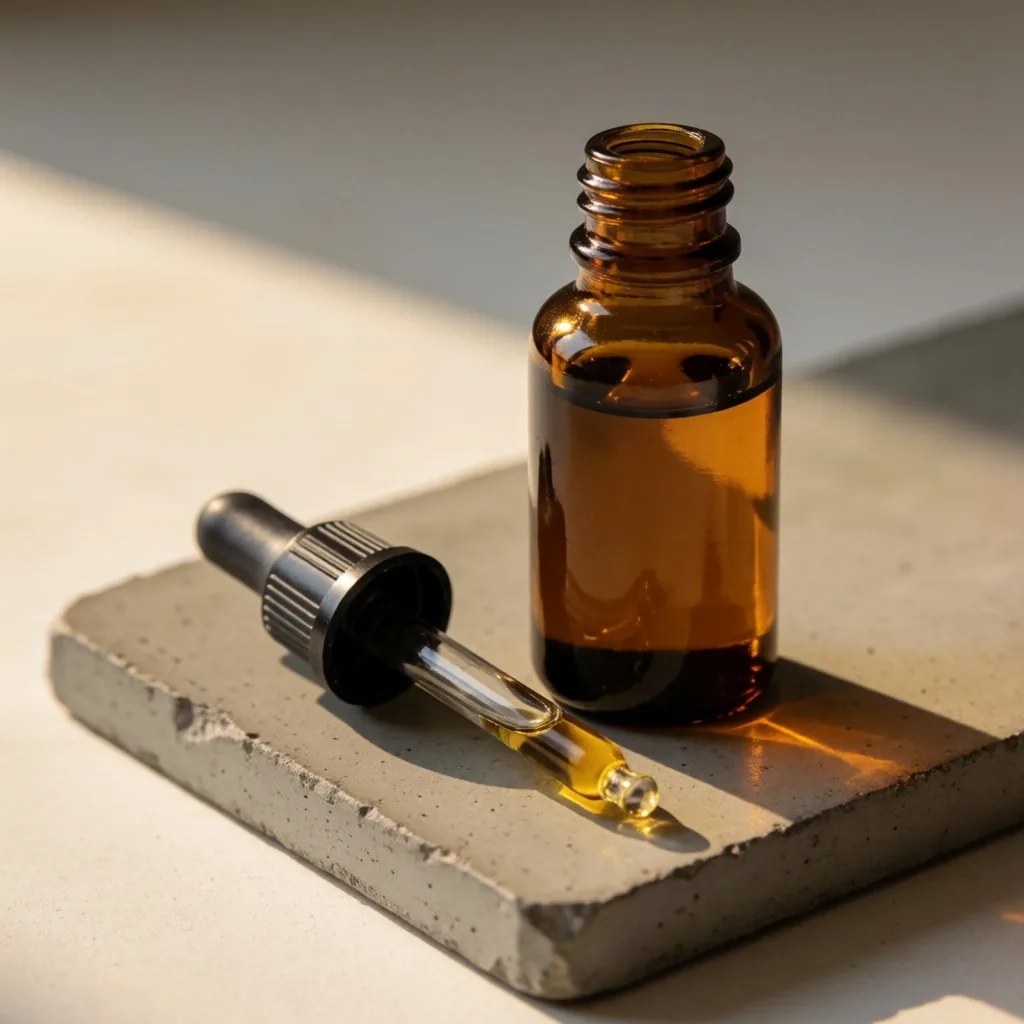
A high-quality supplement is designed to be easily broken down and absorbed by the human body. We evaluate the delivery methods used, such as specialized capsules or liquid formats, to ensure maximum nutrient uptake.
Quality is not just about what is in the capsule, but how much of it actually reaches your system. Certain botanicals have poor natural absorption — curcumin, for example, benefits from pairing with fats or piperine to improve uptake. A well-formulated product accounts for these realities.
Liquid extracts and liposomal formats often deliver higher absorption than dry powders compressed into hard tablets. The delivery format should match the compound, not the manufacturing convenience.
Standard 07 — Transparency
Transparency in Labeling
We believe that every ingredient, including other ingredients, should be clearly listed on the packaging. There should be no proprietary blends that hide the actual dosages of individual components.
Full transparency allows you to make informed decisions and compare products accurately. A proprietary blend lists a total weight but hides how much of each compound is inside. This makes it impossible to know whether you are getting a meaningful dose or a token amount sprinkled in for label appeal. We only feature products that disclose the exact milligram weight of every active ingredient.
What we will not feature
- ✕ Proprietary blends that hide individual dosages
- ✕ Undisclosed filler ingredients listed only as "other ingredients"
- ✕ Labels that omit the country of origin for raw materials
- ✕ Serving sizes manipulated to make low doses appear larger
Standard 08 — Ethics
Sustainable Packaging and Ethics
Quality standards also extend to how a product is packaged and the ethical considerations of its production. We support brands that use recyclable materials and demonstrate a commitment to fair trade and environmental stewardship.
A truly premium product respects both the consumer and the planet. Glass bottles, biodegradable capsules, and FSC-certified paper cartons all signal a brand that takes its full lifecycle responsibility seriously. We also look for fair-trade sourcing where botanicals are harvested by small farming communities — ensuring that the people who grow the ingredients are paid fairly for their work.
Packaging
Recyclable glass, biodegradable capsule shells, and minimal plastic — we prefer brands that reduce packaging waste rather than add layers for shelf presence.
Fair Trade
Sourcing relationships that pay farming communities fairly, particularly for wild-harvested botanicals where exploitation is common in the supply chain.
Stewardship
Active environmental programs — habitat protection, regenerative farming partnerships, or carbon footprint reporting — that go beyond a marketing slogan.
Carton Material
FSC-certified paperboard or post-consumer recycled fiber for outer cartons, printed with soy-based or low-impact inks where possible.
At a glance
Eight standards we check before a product appears in our guides
Origin Verification
Clear disclosure of where raw materials are grown or harvested.
Standardized Extracts
Consistent active compound levels, verified and stated on the label.
Third-Party Testing
Independent lab assays for heavy metals, pesticides, and microbes.
Clean Formulation
No artificial fillers, dyes, or synthetic binders in the ingredient list.
GMP Manufacturing
Production in certified facilities with documented quality controls.
Bioavailable Delivery
Formats designed for absorption, not manufacturing convenience.
Full Label Disclosure
Exact dosages for every ingredient, with no proprietary blends.
Ethical and Sustainable
Recyclable packaging, fair-trade sourcing, and environmental stewardship.
Have a question about how we evaluate a specific product?
Our Bali office is open Monday through Friday. Reach out and we will walk you through the standards we applied, the testing we looked for, and how a particular brand measured up.
Vitamin Pria — Bali Office
Jl. Sunset Road No. 88
Seminyak, Kuta, Badung
Bali, 80361