Rhizome
01 / 06
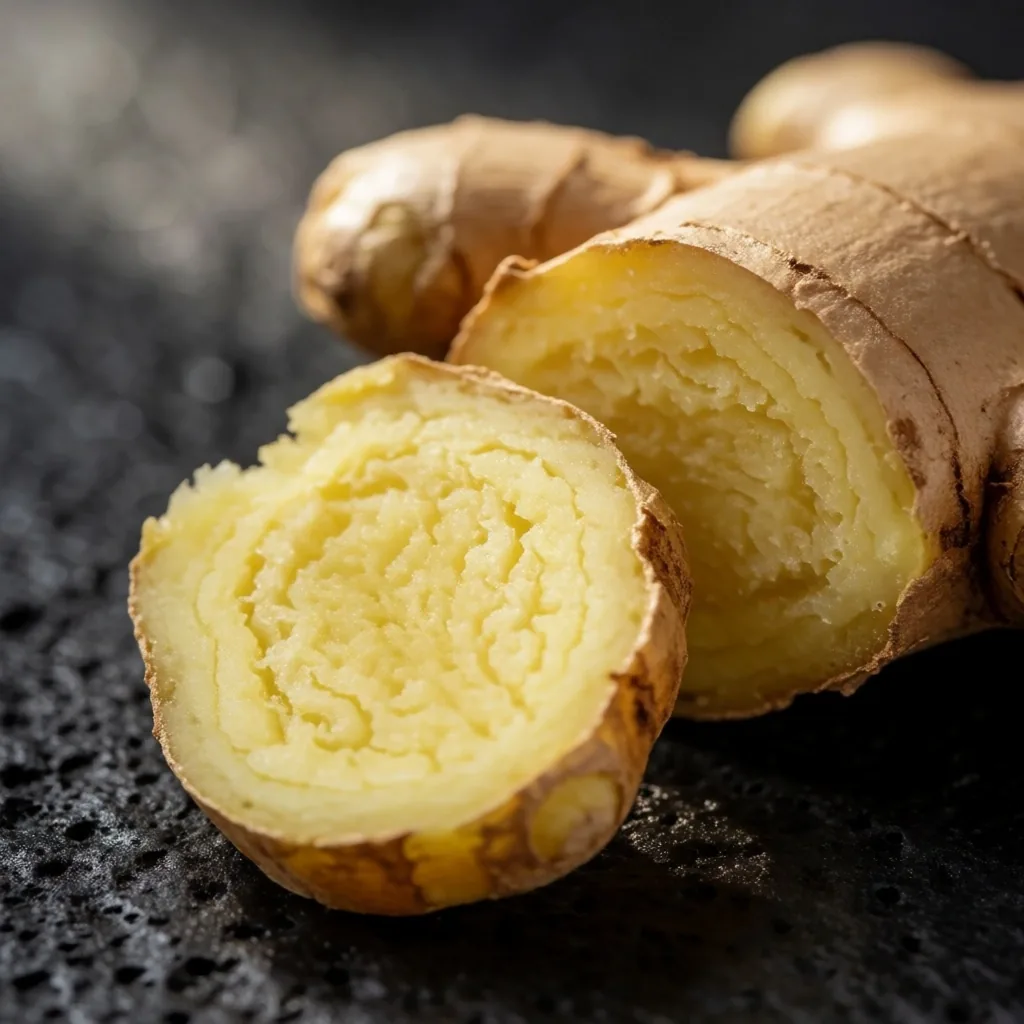
Ginger
A staple of Indonesian wellness, supporting the body's natural inflammatory response.

The shift toward plant-based wellness reflects a growing desire for products that are closer to their natural state. We prioritize ingredients derived from herbs, roots, and fruits that have been used for centuries to support male vitality.
A staple of Indonesian wellness, supporting the body's natural inflammatory response.
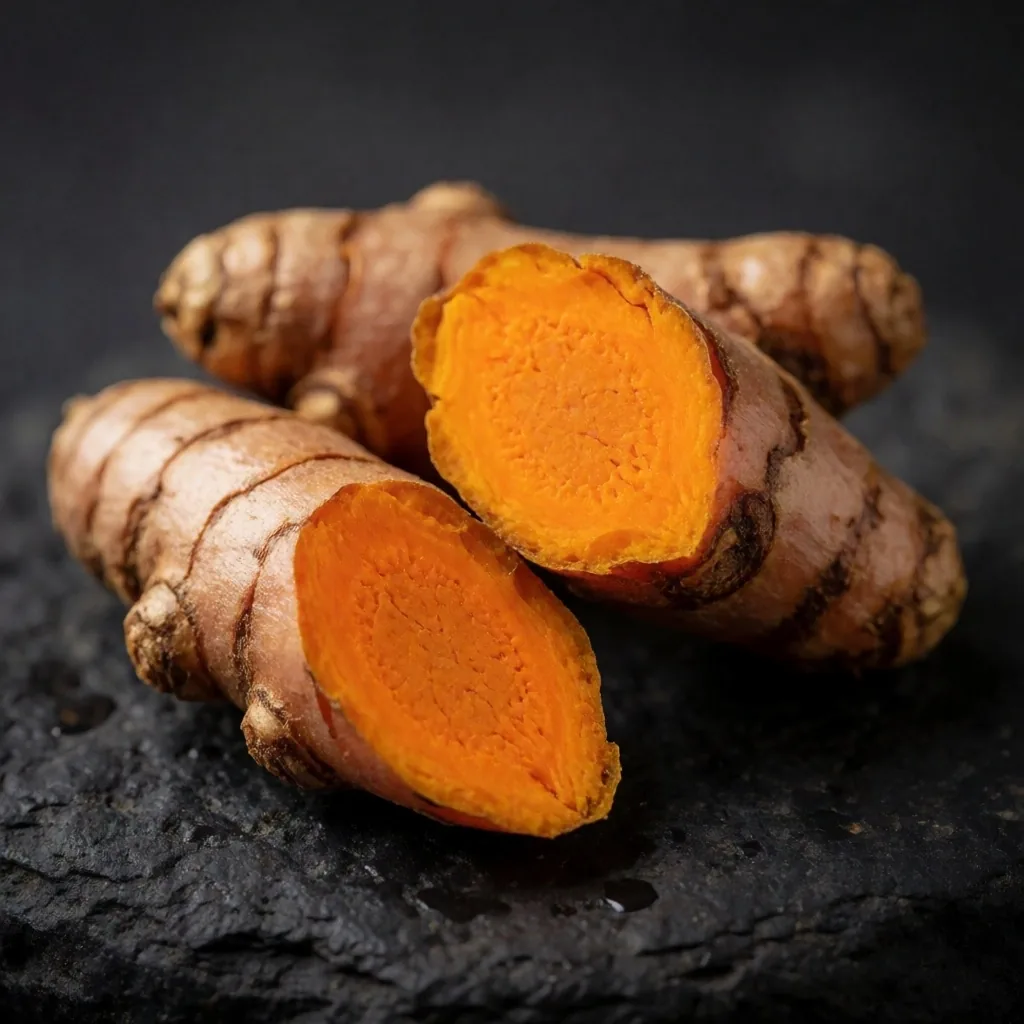
Curcumin, the active compound, is widely studied for its role in joint comfort and digestive balance.

Supports the body's ability to manage environmental and mental stress through adrenal balance.
A rich source of polyphenols and catechins supporting metabolic rate and heart health.
Valued for nutrient density and its ability to support the body's natural energy pathways.
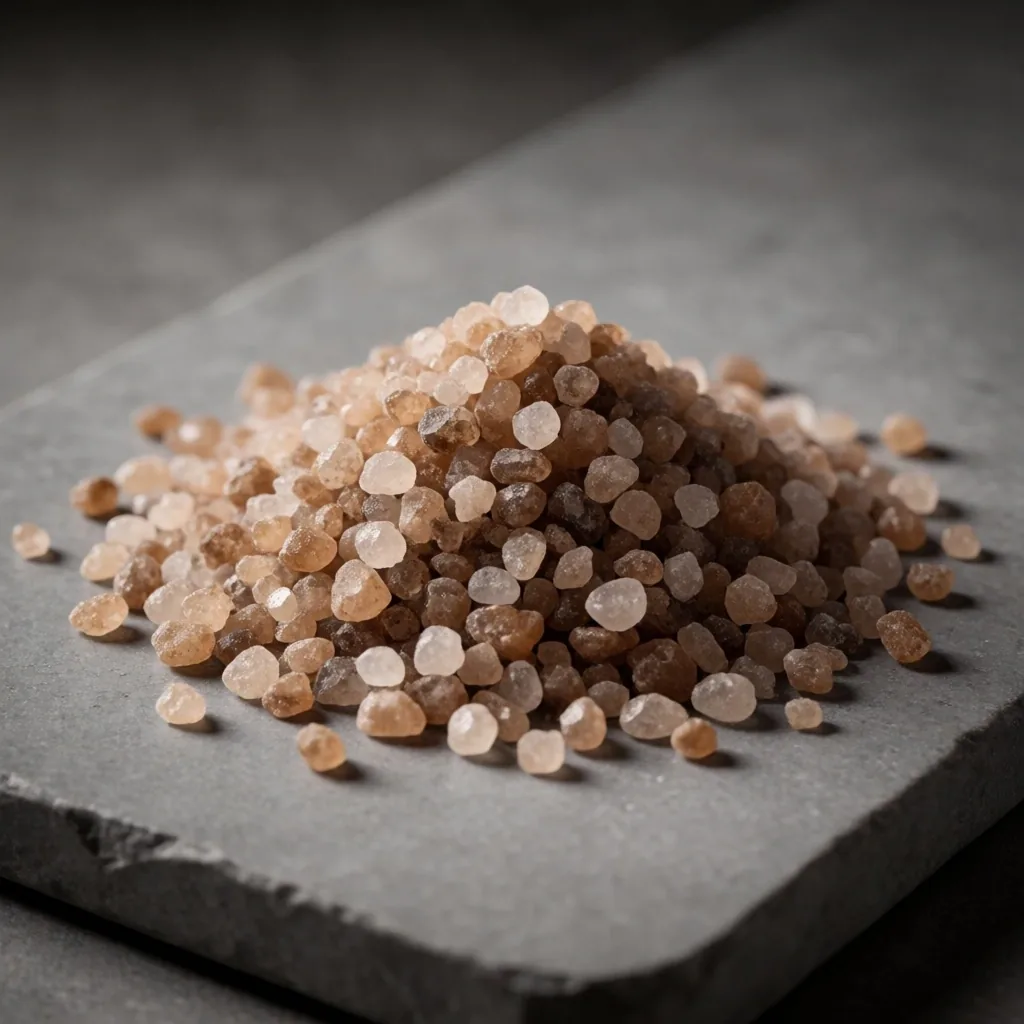
Concentrated phytonutrients that protect the body, providing vitamins easily recognized and absorbed.
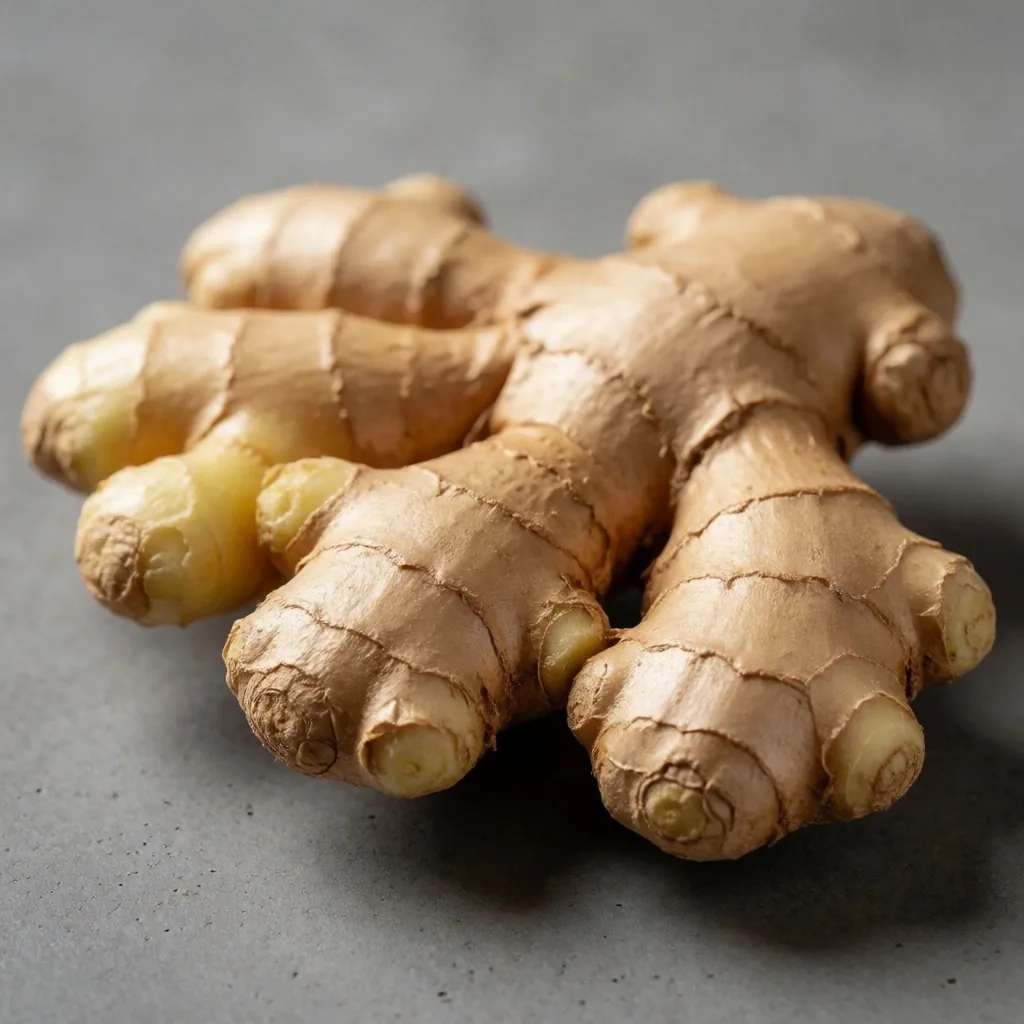
Both ginger and turmeric are staples of Indonesian wellness, known for their ability to support the body's natural inflammatory response. These knobby rhizomes have been grated into pastes, steeped into tonics, and ground into powders across Indonesian kitchens for generations.
Curcumin, the active compound in turmeric, is widely studied for its role in joint comfort and digestive balance. Gingerol, ginger's signature compound, brings a similar warming quality that supports circulation and settles the stomach.
We explain how these rhizomes are processed into concentrated extracts for maximum efficacy — from sun-drying and low-heat grinding to standardized extraction that preserves the active compounds in reliable, measurable amounts.

Fig. 01 — Rhizomes in atelier light
Adaptogenic herbs help the body manage environmental and mental stress by supporting the adrenal system and maintaining internal balance during periods of high demand. Green tea brings a complementary layer of metabolic support — gentle, sustained, and grounded in centuries of daily use.
Adaptogenic herbs like Ashwagandha and Rhodiola are increasingly popular for their ability to help the body manage environmental and mental stress. These plants work by supporting the adrenal system and maintaining internal balance during periods of high demand.
We look at how these ingredients can be integrated into a modern man's daily supplement schedule — typically taken in the morning with food or in the evening to support a calm transition toward rest.
Green tea extract is a rich source of polyphenols and catechins, which are known to support metabolic rate and heart health. It provides a gentle energy boost without the jittery effects often associated with synthetic stimulants.
Our guide details the benefits of incorporating high-quality green tea extracts into a wellness routine — from choosing the right concentration of EGCG to understanding how it pairs with other botanical ingredients for sustained daily energy.
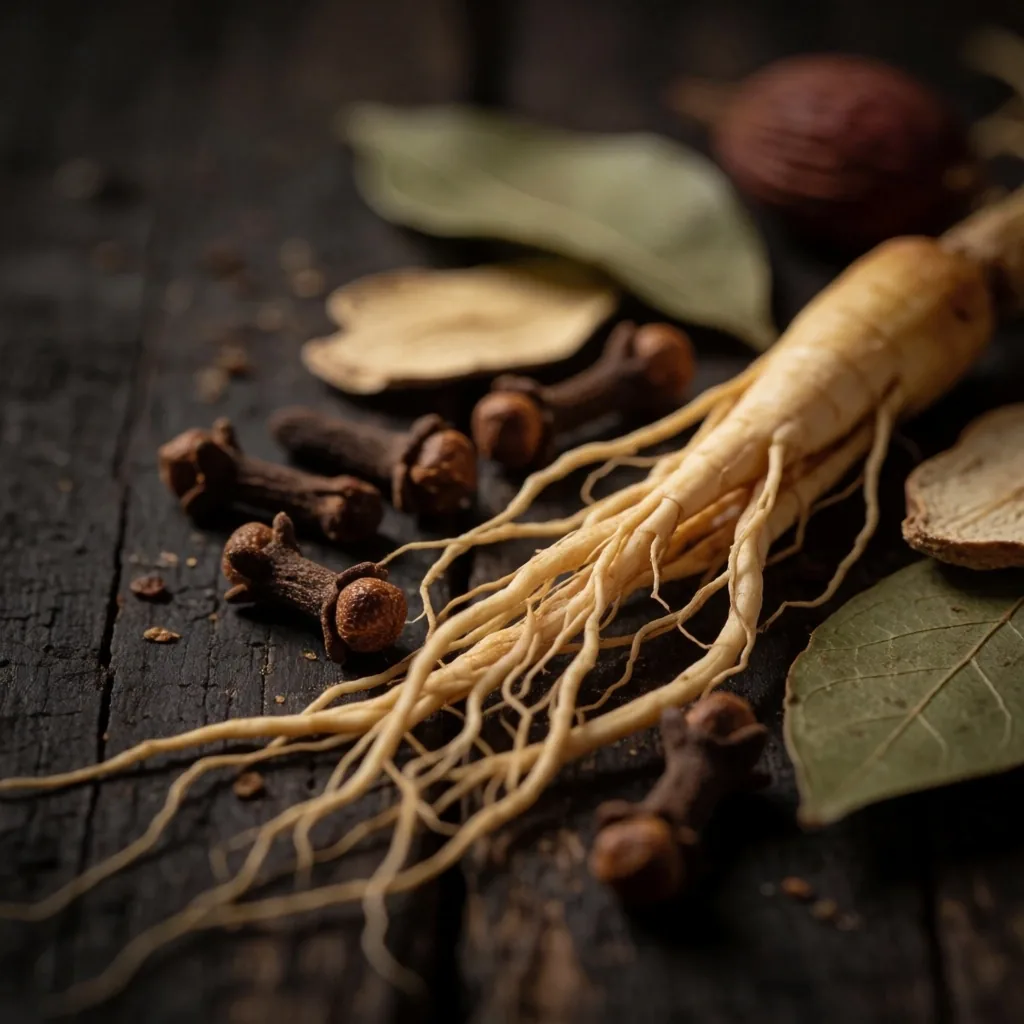
Many traditional cultures have relied on specific roots, such as Ginseng and Maca, to support physical endurance and stamina. These ingredients are valued for their nutrient density and their ability to support the body's natural energy pathways.
Ginseng has been cultivated across Asia for centuries, prized for its branching root structure and the complex array of ginsenosides it contains. Maca, grown in the high altitudes of Peru, brings a different profile — dense in amino acids and adaptable to the body's energy rhythms.
We focus on the historical context and modern application of these potent botanical tools, tracing how traditional preparation methods inform the standardized extracts used in contemporary supplements.
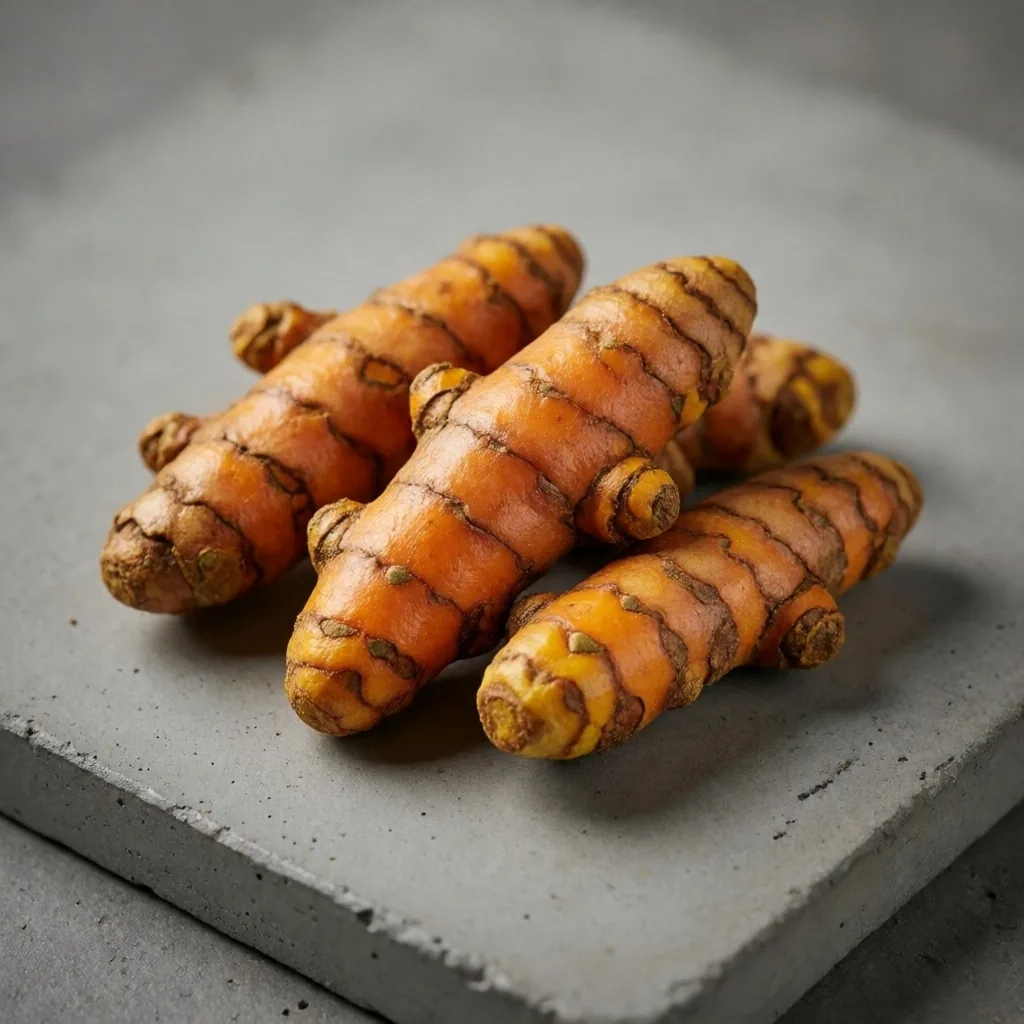
Fig. 02 — Ginseng & Maca
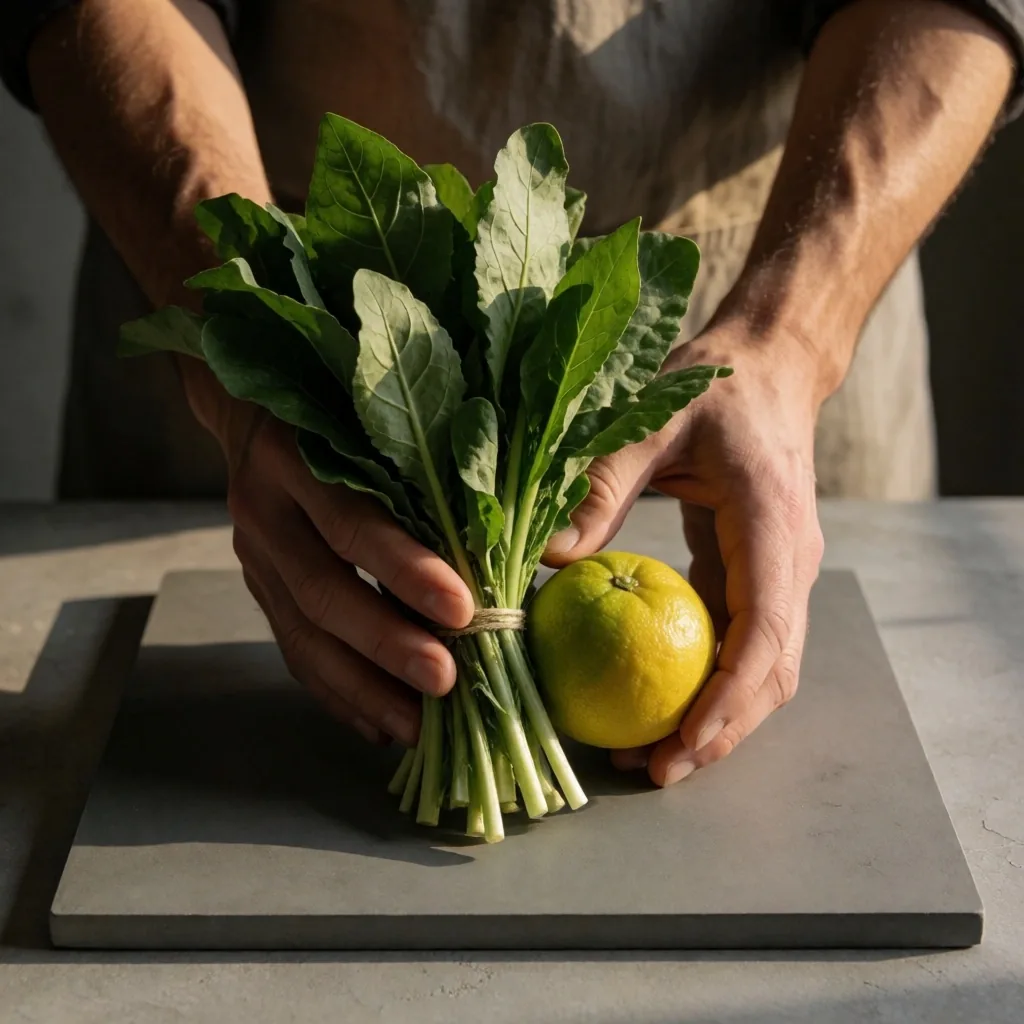
Provides a spectrum of vitamins easily recognized and absorbed by the human body. Rich in ellagitannins that support cellular protection.
One of the densest natural sources of vitamin C. Whole-food-derived ingredients like this offer phytonutrients in forms the body can readily use.
Deep purple berries from the Amazon, dense in anthocyanins that contribute to the body's antioxidant capacity and cellular protection.
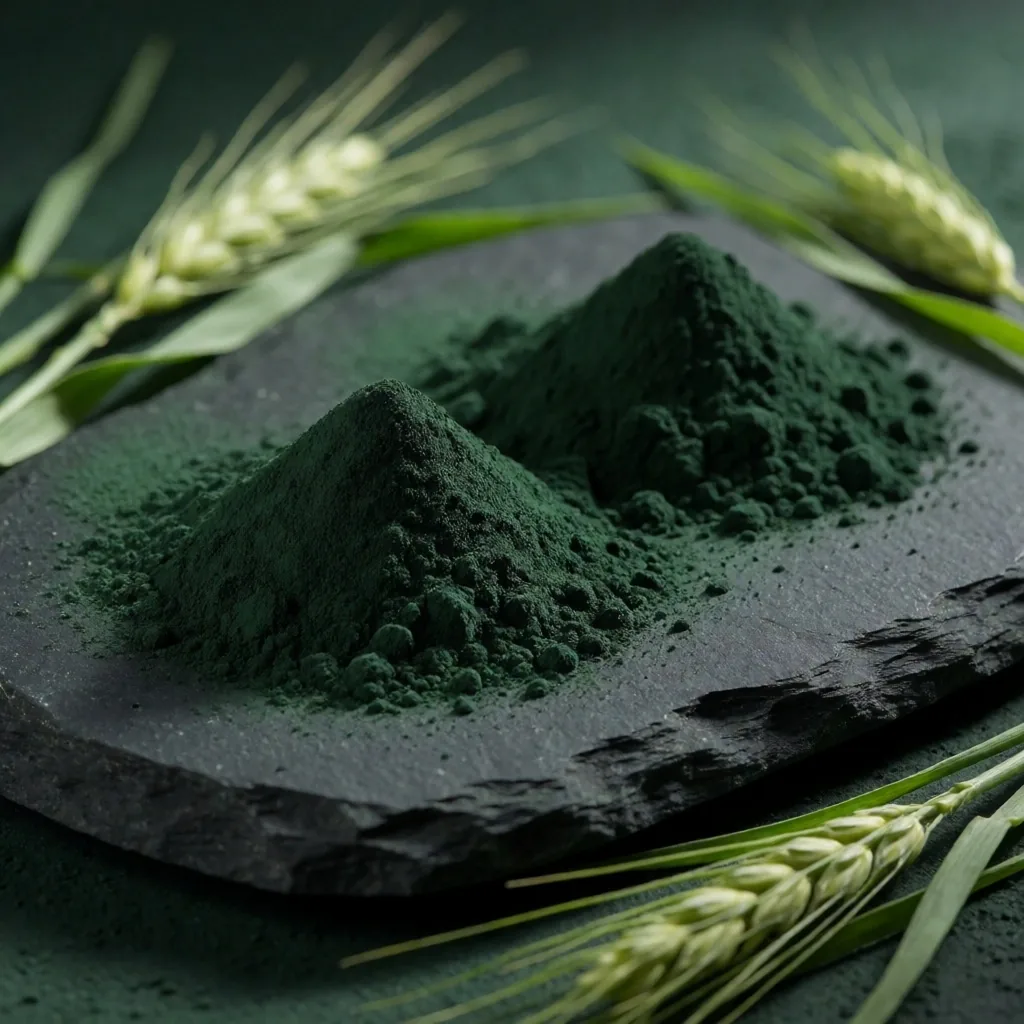
Fig. 03 — Concentrated greens
Concentrated green powders derived from spirulina, chlorella, and wheatgrass offer a dense dose of micronutrients and minerals. These nutrient-dense plants help in alkalizing the body and supporting natural detoxification processes.
Spirulina brings a complete amino acid profile and bioavailable iron. Chlorella binds to heavy metals and supports the body's cleansing pathways. Wheatgrass delivers chlorophyll, enzymes, and trace minerals in a form that complements a whole-food supplement strategy.
We discuss why these green superfoods are a cornerstone of a natural supplement approach, and how to evaluate the quality of green powders by their color density, cell-wall processing, and cultivation environment.
While fish oil is a common source of Omega-3, plant-based alternatives like Flaxseed and Chia oil offer sustainable ways to support heart and brain health. These oils provide the essential building blocks for cell membranes and support the body's natural regulatory systems.
Flaxseed oil delivers alpha-linolenic acid (ALA), a precursor that the body converts to longer-chain fatty acids. Chia oil brings a similar profile with the added benefit of natural antioxidants that protect the oil from oxidation. We compare the benefits of these various natural oil sources.
Not all herbal extracts are created equal, and the method of extraction significantly impacts the final product's potency. Understanding sourcing is the only way to ensure the purity of natural ingredients.
Made by simply grinding the dried plant material. They contain the full spectrum of the plant's natural compounds, but the concentration of active ingredients can vary from batch to batch depending on soil, harvest time, and drying conditions.
Processed to guarantee a specific percentage of the active compound — for example, curcumin standardized to 95 percent. This consistency allows for reliable dosing and predictable results, which is why premium supplements rely on them.
Check the label for the standardized percentage of the active compound, the country of origin, and the extraction method. We explain the difference between these forms so you know what to look for on every label.
Our wellness experts can help you understand how these botanical components fit into a daily routine, what to look for on a supplement label, and how to compare different ingredient sources. Reach out — we are based in Seminyak, Bali, and happy to help.
Jl. Sunset Road No. 88
Seminyak, Kuta, Badung
Bali, 80361
+62 361 754 113
Mon–Fri: 9:00–18:00